Arduino’s Closed Licensing Shift Triggers Historic Migration to ESP32 and Open-Source Alternatives
The maker and electronics communities experienced a seismic disruption in November 2025 when Arduino announced fundamental changes to its licensing model, fundamentally transforming the platform from an open-commons ecosystem into a restricted, commercially controlled system. This strategic shift represents the most significant threat to Arduino’s dominance since the platform’s introduction in 2005, triggering an unprecedented exodus of developers, educators, and hobbyists toward alternative platforms, particularly the ESP32.
The End of Arduino’s Open Philosophy
For two decades, Arduino defined the open-source hardware movement through its commitment to accessibility, community collaboration, and permissive licensing. The platform distributed hardware designs under Creative Commons BY-SA licensing, software under GPL/LGPL frameworks, and explicitly encouraged commercial use, clones, and community modifications. This philosophical openness democratized electronics education, supported 30 million board sales worldwide, and established Arduino as the foundation of 80% of university engineering programs globally.
The recently announced terms restructure this entirely, introducing restrictive commercial licensing, limits on derivative works, aggressive trademark enforcement, fork restrictions, and potential licensing fees for Arduino-compatible boards. The specificity of these restrictions deliberately remains vague, creating legal uncertainty that paralyzes the ecosystem. Universities selling Arduino-based robot kits to fund engineering programs lack clarity regarding licensing obligations. Startups with commercial products built on Arduino infrastructure face potential retroactive enforcement threats. Makers sharing tutorial projects cannot confidently communicate whether readers can legally build and sell derivatives.
Arduino’s Competitive Disadvantage
Paradoxically, Arduino’s vulnerability stems from technical obsolescence masked by ecosystem strength. An Arduino Uno microcontroller—an 8-bit Atmel ATmega328P running at 16 MHz with 2 KB of RAM—represents objectively outdated technology in 2025. The technically superior ESP32 operates at 240 MHz with dual cores, 520 KB of RAM, integrated WiFi and Bluetooth connectivity, and costs $2-4 instead of $24 for official Arduino boards. The Raspberry Pi Pico offers a dual-core ARM Cortex-M0+ processor at 133 MHz for approximately $4.
Despite this technical inferiority, Arduino persisted through market leadership because developers valued the ecosystem and community commitment. Enormous library collections, beginner-friendly tutorials, educational trust, and philosophical commitment to open hardware created network effects that transcended technical specifications. By closing the platform, Arduino destroyed its only meaningful competitive differentiation. Without openness, Arduino becomes merely an overpriced, underpowered microcontroller competing against platforms that are faster, cheaper, and authentically open.
The Migration to ESP32 Dominance
The community response to Arduino’s licensing changes demonstrates rapid platform migration is underway rather than theoretical. ESP32 migration difficulty is minimal because approximately 80% of Arduino libraries have been ported to run on ESP32 hardware, the Arduino IDE natively supports ESP32 through board managers, and pin-compatible shields exist for hardware transitions. Most Arduino projects convert within one to two days of engineering work. The primary compatibility challenge involves ESP32’s 3.3V logic signaling versus Arduino’s 5V standard, requiring level shifters for certain legacy sensors.
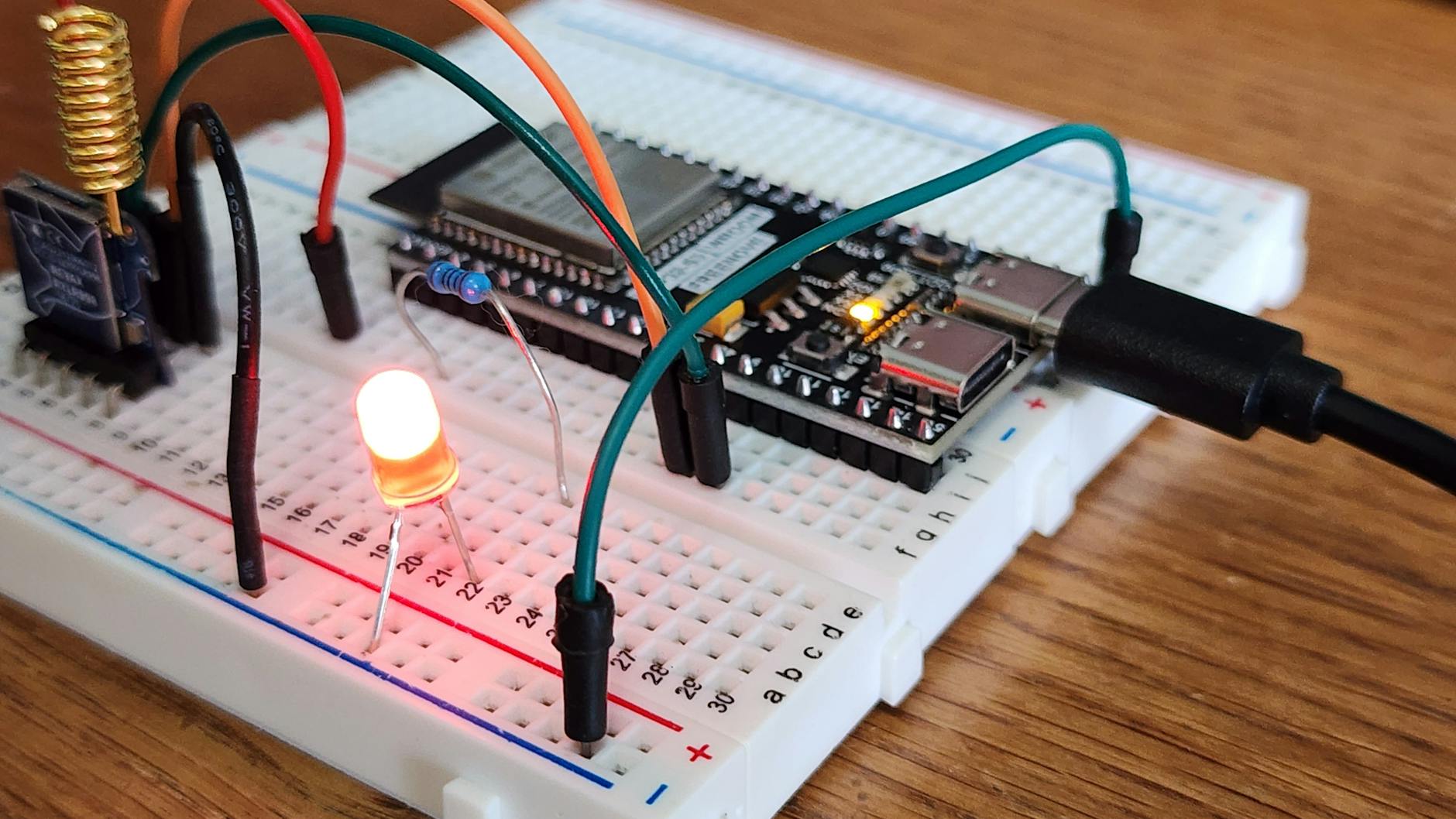
The ESP32 development board market is responding to increased demand with diverse platform options. Available boards range from minimal breakout configurations to fully-featured DevKits including OLED displays, pushbuttons, and integrated peripherals. The DroneBot Workshop and broader maker community have published comprehensive ESP32 selection guides highlighting platform variants including the RISC-V based ESP32-C3, high-performance ESP32-S3, and ultra-low-power ESP32-H2 variants. Each variant addresses specific application requirements, providing makers unprecedented flexibility in platform selection.
Educational Sector Transition
Arduino’s educational stronghold represents a particularly vulnerable market segment. For nearly two decades, Arduino established quasi-monopoly dominance in STEM education specifically through its beginner-friendliness and open licensing structure. The Raspberry Pi Pico, priced at $4 with strong Raspberry Pi Foundation backing, excellent documentation, and MicroPython support, directly targets Arduino’s educational market position. Educational institutions are currently evaluating platform transitions, a process that typically takes 12-24 months but ultimately reshapes decades of curriculum development.
Historical Precedent and Maker Community Memory
Arduino’s situation reflects a pattern demonstrated repeatedly in open-source history: projects that transition from permissive to proprietary licensing face community revolt, fork proliferation that frequently surpasses the original platform, and long-term irrelevance despite short-term revenue gains. The maker community’s response demonstrates this principle empirically. Hacker News discussions overwhelmingly focus on ESP32 migration. Tutorial creators are actively porting content. Library maintainers prioritize ESP32 support. The network effects that constructed Arduino’s dominance are reversing rapidly.
Industry observers predict Arduino’s transition to “legacy curiosity” status within 18 months as ESP32 and Raspberry Pi Pico dominate the maker spaces Arduino once commanded. The platform’s historical significance in democratizing electronics will persist, but its role in contemporary maker culture is transitioning from leadership to history. For the broader electronics community, Arduino’s collapse serves as a cautionary lesson: community trust, once broken, demonstrates extraordinary difficulty in recovery despite technical specifications or commercial positioning.
Leave a Reply